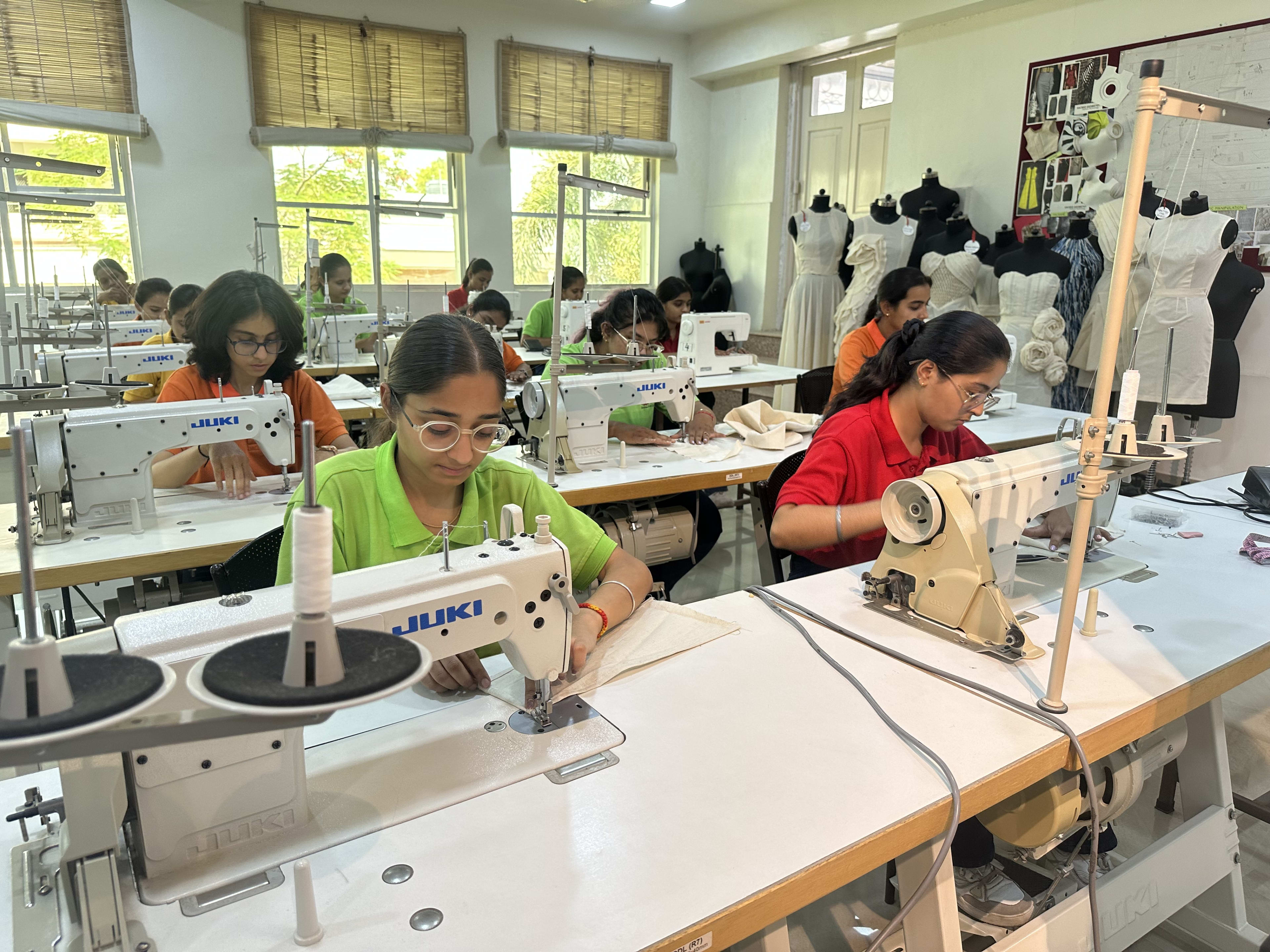
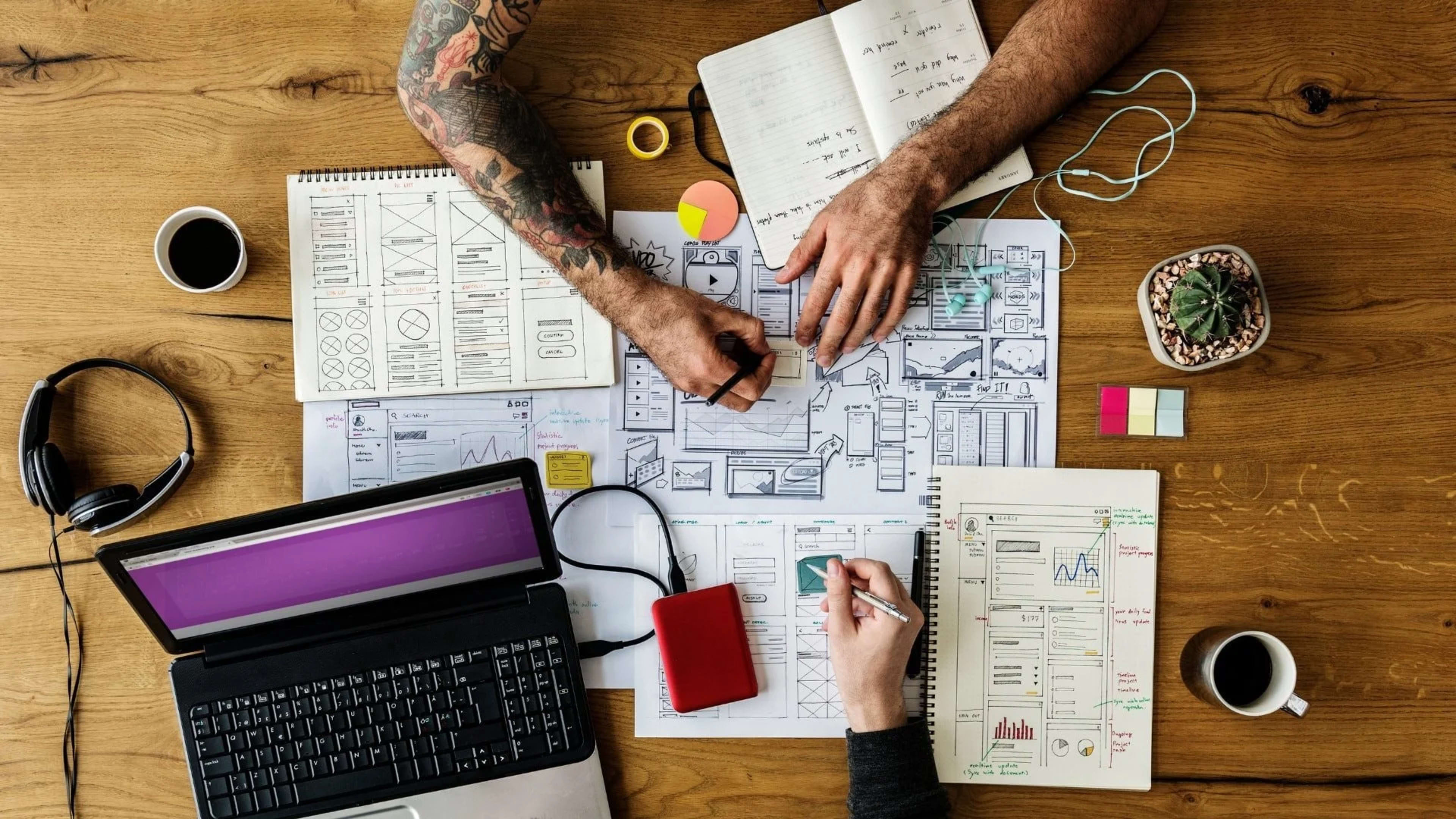
The cut-throat world of fashion has always been a lucrative career option in fashion design for the young with only a handful of them getting their claim to success. If attributes like patience, persistence, creativity, ingenuity with a flair for colours and fabrics are what define you, then the field of fashion design could be your calling!
Published
The mere mention of the word ‘fashion’
transports us to a world of celebrities, runway models, designers showcasing
exquisite garments and a fair deal of glitz and glamour. The cut-throat world
of fashion has always been a lucrative career option in fashion
design for the young with only a handful of them getting their claim to
success. If attributes like patience, persistence, creativity, ingenuity with a
flair for colours and fabrics are what define you, then the field of fashion
design could be your calling!
Upon completion of your graduation
in fashion design, or fashion business management you may find
yourself at a crossroads and maybe unclear on the career path to choose. The
career options that lie ahead of you are limitless but here we have tried to
explore the most exciting and fascinating line of work in today’s times. A
career in Fashion Design would give you the maximum possible satisfaction.
Flipping
through the glossy pages of Vogue, Harper’s Bazaar and Grazia one can’t help
but be fashion-struck looking at models wearing spectacular garments designed
by a host of designers like Sabyasachi, Tarun Tahiliani, Louis Vuitton, Anita
Dongre, Ritu Kumar, Gucci, Rohit Bal, Armani and Manish Malhotra to name a few.
This also gets one thinking of the team that must toil day-in and day-out to
translate these collections into reality and portray them as ever so desirable.
Being
a fashion designer seems like the next obvious path to tread upon completion of
your graduation in fashion
design. But, it is easier said than done!
Apart from subject matter knowledge acquired during your formal education
years, you will have to endure as many internship and freelance stints as possible
too. This will help you gain a better perspective of how the industry functions
and how you can carve your niche here.
Fashion
designers are considered to be the heartbeat of the fashion world and only the
creative best are able to thrive in this challenging industry. As a fashion designer you will be the one who visualises the garment and works
through the entire process from concept to development ensuring the final
garment is as you envisioned. You can choose between working with an
established design label or foray into creating your own label/line of
clothing. Irrespective of the path you opt for, there are some skills/qualities
that would certainly help you succeed a good career in fashion design.
Skills needed to pursue Career in Fashion design
Contextual understanding-
explore
and analyse the garment in its entirety taking into account various aspects
such as client’s budget, weather conditions, culture, etc.
Business acumen-
understanding
the tools of the trade will help you make informed decisions
Sketching/drawing-
this
will aid in bridging the gap between concept and development phase and
facilitate easier communication with clients
Communication skills-
(verbal
and written) - this skill is vital to be able to present your ideas/concepts to
the prospective client and market your creations
Technical skills-
this
would include skills such as sewing, patternmaking, draping and CAD programs
(Photoshop, Illustrator, etc.) that a fashion designer cannot do without
Networking-
talent
is most essential but you must always remember to be in the right place, at the
right moment with the right person.
Openness to experimenting-
there
is a constant demand for new designs, trends and styles that can be met only
with intelligent experimentative projects
The
outlook for this career in fashion design seems strong owing to the inherent
nature (constant evolution) of the fashion industry. Despite the textile and
clothing sector being one of the oldest in India, the Indian fashion
industry is still in its infancy and is
steadily inching towards global recognition. As per Indian Brand Equity
Foundation (IBEF), the domestic textile and apparel industry in India is
set to reach USD 141 billion by 2021 up from USD 61 billion in 2014.
Career in Fashion Design
Fashion Stylist
In
our celebrity-driven culture, fashion stylists have definitely made their mark
and will continue to add the much needed splash of glamour to the persona of
public figures. Stylists are no less than magicians who help accentuate an
individual’s look with a swish of their wand! Striking the right balance is the
key to creating the perfect look for your client.
To be
able to launch your career in fashion design industry as a fashion
stylist, you must bear in mind to gather as much experience and knowledge about
the craft. Travel to various fashion hubs across the country/globe and learn
about the myriad fashion trends. Travelling is something that comes with the
job of being a stylist, be it attending trade shows or sourcing the elements
for an editorial shoot. Having a sound knowledge of the creative and technical
aspects of fashion design will help you create appropriate fashion looks for
the prospective/acquired client. Intern as much as possible as it will teach
you valuable on-ground lessons not taught in schools and will also help you
build handy contacts. Companies value degrees but they always place experience
on a higher pedestal and this is where interning will certainly be of help.
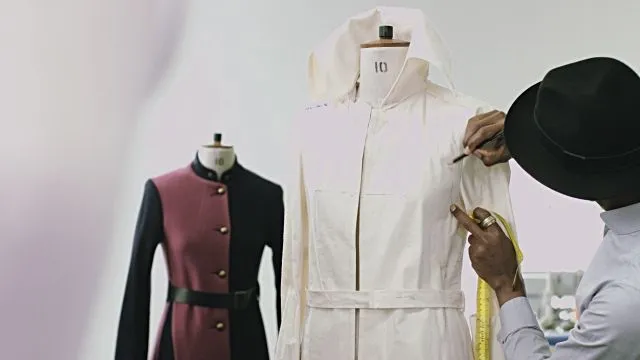
Draping on a dressform
As a
stylist, you can either work for a magazine or choose to work independently, in
which case you would be ideally represented by an agent who helps get the word
out.
With
skill-sets acquired during your fashion
design course and armed with the right contacts,
you are bound to have a professional advantage in the marketplace.
Skills needed to pursue Career in Fashion design
Sense of style-
this
includes a personal sense of style as well as being aware of your client’s
style too as a stylist is a complete package (style and an image)
Objectivity-
you
need to learn how to separate your personal style from your client’s as it is
important to remember that you are not styling yourself rather your customer
Networking-
keep
pushing your way forward and making connections with various creative
professionals you collaborate with like photographers, models, hair &
makeup artists, etc.
Business skills-
a
stylist needs to know how the fashion industry chugs along so that
communication & coordination with various vendors, working within a budget
and handling purchasing does not become an overwhelming ordeal
Being organised-
they
key to being a successful stylist is planning which calls for being a calendar
junkie, organising your day, managing inventories and making sure you check all
the things on your to-do list
Eye for detail-
an
artistic eye for detail (be it colour, texture, silhouette, etc.) or the lack
of it can either make or break an ensemble
Abreast with latest trends-
in
order to be able to advise your client on what’s hot and what’s not, you need
to keep yourself up-to-date with the latest fashion trends, styles and designs
Style
is an inherent talent that needs to be honed with experience and practice.
There is immense scope for growth in this field as there is and always will be
a need for stylists. You can begin working as an assistant to a senior stylist
or can begin taking up small projects to carve your niche in the industry.
There is no dearth of jobs for stylists as celebrities need to be styled for
award functions, photo shoots, parties, television shows, advertisements and
various public appearances. But this profile is not to be taken lightly in any
manner as styling someone comes with a lot of responsibility.
“Style
is a way to say who you are without having to speak.” - Rachel Zoe, an
American Fashion
Designer, businesswoman and writer
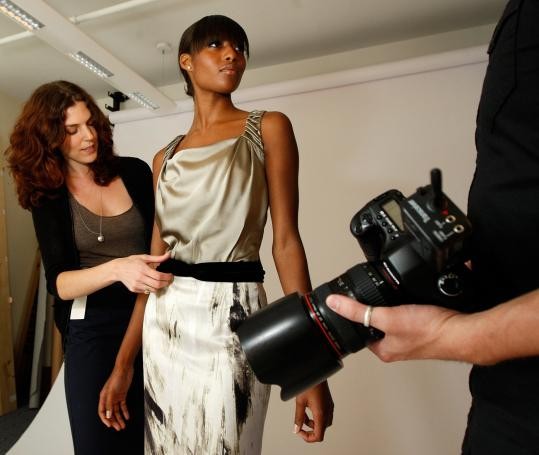
A fashion stylist on set at an editorial shoot with the model and photographer. Image credits : All about styling
Career as Costume Designer
What
do movies likes Bajirao Mastani, Jodhaa Akbar, Haider, Black, Devdas and Lagaan
have in common? Striking costumes that brought the script to life and infused
the sets with emotion, drama and fashion! Costumes play an integral role in
communicating a director’s vision of the era, lifestyle and character’s
personality through some obvious design elements. They aid in lending an aspect
of reality or adding a new dimension to the actor’s persona essaying the
specific role.
The
first prerequisite for a costume designer is to understand the demand of the
script, reflect upon it and visualise the costume elements of the characters
vis-a-vis each scene form the plot. During the entire process, you will be
brainstorming various concepts with the director, production designer, make-up
and hair artists, set designer, lighting designer and other creative personnel
on board.
As
you begin your journey in the exceedingly creative field of costume design, you
will ideally be given the role of a costume assistant or wardrobe trainee.
Needless to say, a costume designer must also have the fundamental skill sets
Some of the skills that will come in handy are :-
Knowledge of
costume history and modern fashion -
a costume designer must understand the art of skillfully blending period
costumes with a tinge of modern fashion
Garment
production skills -
practical garment production skills like pattern cutting, hand and machine
sewing and dressmaking are vital to becoming a successful costume designer
Research
skills - you ought to be skilled
in research as you will have to conduct an in-depth study on the costume
styles, designs and garment constructions prevalent during the era in
focus
Eye for
detail - you need to possess an
artistic eye for detail to make sure the textures, colours, etc. are
balanced with the scene and the director’s vision
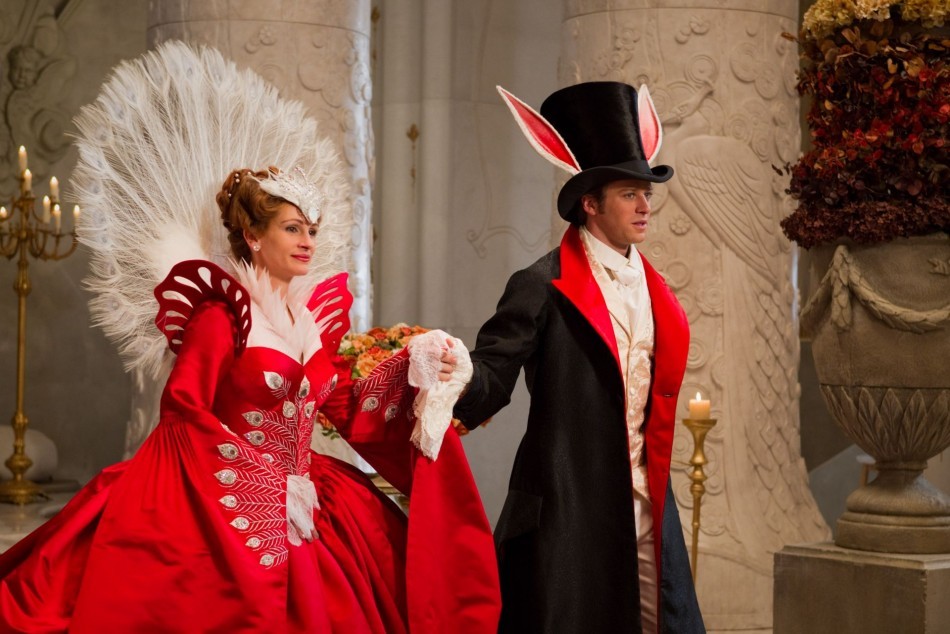
Julia Roberts and Armie Hammer in a scene from Mirror Mirror for which the costumes were designed by legendary designer Eiko Ishioka.
Apart
from the above listed skills, possessing a wide cultural knowledge base adds to
your skill-sets and will hold you in good stead in the marketplace. Here’s a
tip, in order to design appropriate costumes for various characters in the
script, try breaking down the script into individual costume plots. This will
help you take a headcount of the number of characters involved in thehttp://www.dezyneecole.com plot and costumes required for each of them.
Career as Fashion Illustrator
If
you are someone with a strong individual sense of style coupled with great
drawing/sketching skills, then pursuing a career as a fashion illustrator could
be a wise career decision. Fashion illustrators are highly skilled
professionals who create sketches of beautiful illustrations of garments
created by fashion designers using various media like charcoal, paint, etc. The
creative perimeter of a fashion illustrator is not restricted to creating
illustrations that convey the designer’s creation, but an illustrator’s artwork
can also be treated like a piece of art. Fashion illustrators can be employed
by design houses, magazines, newspapers, advertising companies or can even
chose to work independently.
Ideally,
companies give a design brief to the illustrator along with the target customer
and the goal the company wishes to achieve with the specific clothing line. The
illustrator then sketches the look as per the assigned theme and ensures the
colour palette and design elements are uniform across the illustrations.
The field of fashion, much like its creative counterparts, is extremely
competitive and therefore, one must constantly strive to be versatile and have
diverse skills that help you keep afloat and sail ahead of the swarm. Some
skills that leverage your potential as a fashion illustrator are :-
Personal
style - for your work to be
noticed in the crowd, you must develop an identifiable individual
sketching style that speaks volumes about your technique and helps you
stand out
Software
skills - a sound grasp over
digital illustration tools is necessary and will definitely place you
amongst the higher category in the marketplace
Observational
skills - be a keen observer and
absorb everything that you possibly can
Technical
skills - a knowledge of human
composition and anatomical life drawing will certainly help you as an
illustrator
Fashion
illustrators are much in demand with a boom in blogging and social media
platforms where illustrators can exhibit their skills. The rise in demand can
also be attributed to the consumer’s increasing interest in fashion and related
fields. Moreover, there seems to be a saturation of digital work in the market
and thus illustrations provide the consumers a fresh perspective on fashion.
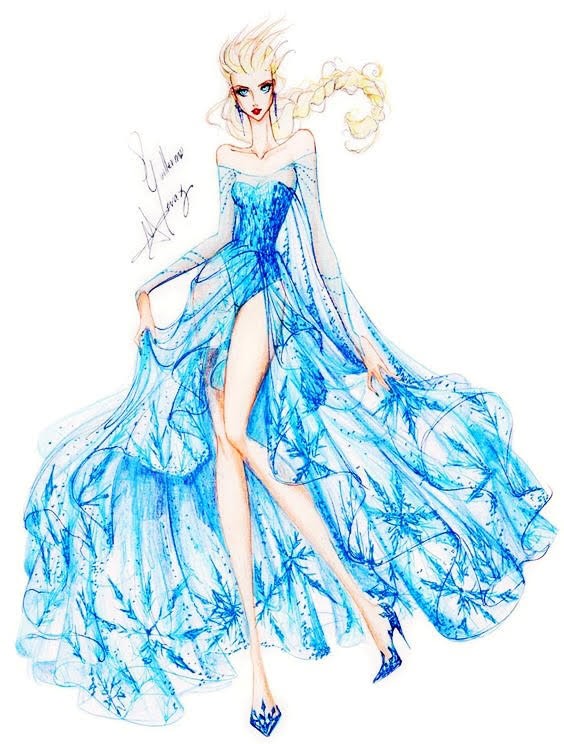
A beautiful illustration of Queen Elsa’s (from Disney’s Frozen) chiffon dress by famed fashion illustrator, Guillermo Meraz. Image credits : Pinterest
Visual Merchandiser
When
you walk past a stunning window display or walk into an aesthetically designed
showroom, you are always tempted to either enter the store or splurge some
money on the assortment of merchandise on display. This visually appealing and
engaging brand experience is courtesy the genies of the retail industry – the
Visual Merchandisers! There are two main aspects to Visual Merchandising – In-store Design and Window Display. In-store design has
everything to do with the store layout and design, point of purchase displays,
assortment display, item display and signage placements. While on the other
hand, Window Display is the creative yet tactful display of merchandise on a
retail store’s window.
At
first glance, this might not come across as an appealing career prospect but
trust me there’s more to it than meets the eye. Visual Merchandising has carved
its niche as a critical marketing tool in the advertising industry of developed
countries and is catching the attention of the Indian market as well.
As a
Visual Merchandiser you will be tasked with augmenting the look and feel of the
store as it is 'the' most significant factor that helps in higher sales and
profitability of the brand! You will have to play around with an array of
lights, props, colours and graphics to exhibit the product/service in the most
creative and sophisticated manner and captivate the customers. All these are
nothing but intelligent marketing gimmicks to grab the customer's attention,
lure them into the store, create a visually engaging experience and last but
most importantly, positively influence their purchasing decisions.
Some
of the skills that would help you ace your job as a Visual Merchandiser are :-
Individual
sense of style - with an impeccable
sense of style, fashion, design and colour you will be in a better
position to ideate attractive displays for the fashion store
Technical
skills - as a visual
merchandiser proficiency in CAD software will come in handy when you have
to present your ideas to the client and convince them about the concept
Interpersonal
skills - communicating/presenting
ideas or marketing your skills to the client is an integral part of being
a designer and therefore must not be overlooked as a must-have skill
Eye for
detail - paying attention to
finer details in a project always adds volumes to the overall appeal of
the product display
Time
management - time is money and it
holds true in the visual merchandising profession too. Visual displays are
dynamic and are changed on a regular basis. You will need to execute
projects in crunch time and this calls for efficient time management.
General
awareness - fashion is a constantly
evolving field and being a professional in this industry you have to be
abreast with latest trends in fashion, design and culture
Working
within budgetary constraints -
budgets are always intimidating but a skilled designer will always use
his/her creativity to judiciously use resources at hand and recycle to the
best possible extent without compromising on the deliverables
With
a rise in disposable incomes within Indian households, customers are no longer
willing to settle for mediocre store layouts and window displays. Therefore, in
this cut-throat competition, retailers are resorting to Visual Merchandising as
their core differentiator. Visual Merchandisers are much in demand amongst
employers like Fashion Retailers, Department Stores, Malls, Museums, Galleries,
Airports, Hotels and even Internet Shopping Portals.
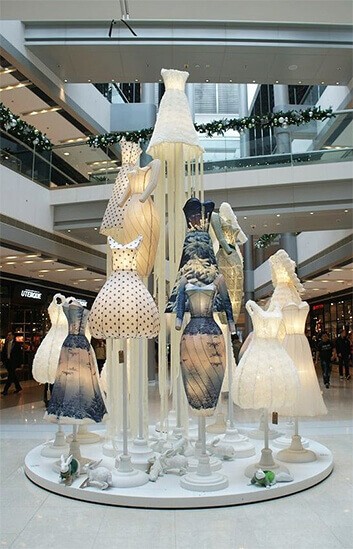
Display of paper dress lamps at the IFC Mall in Hong Kong . Image credits : Pinterest
The world of fashion has always held our attention for generations together and
continues to do so with the myriad timeless, classic, whimsical and unique
masterpieces created by passionate and skilled professionals over time. People
long to find their home in this challenging industry and I strongly believe you
are no different as otherwise you wouldn’t have stuck around till the end. I
shall end with an inspiring quote by Andre Gide that says, “People cannot
discover new lands until they have the courage to lose sight of the shore.” So
muster the courage to chase your dreams!
Related articles
Explore more ideas, careers, and design insights from Dezyne École.