Dezyne École College logo

Articles

Beyond the Pane: Choosing Window Glass for Modern Homes

Beyond the Pane: Choosing Window Glass for Modern Homes

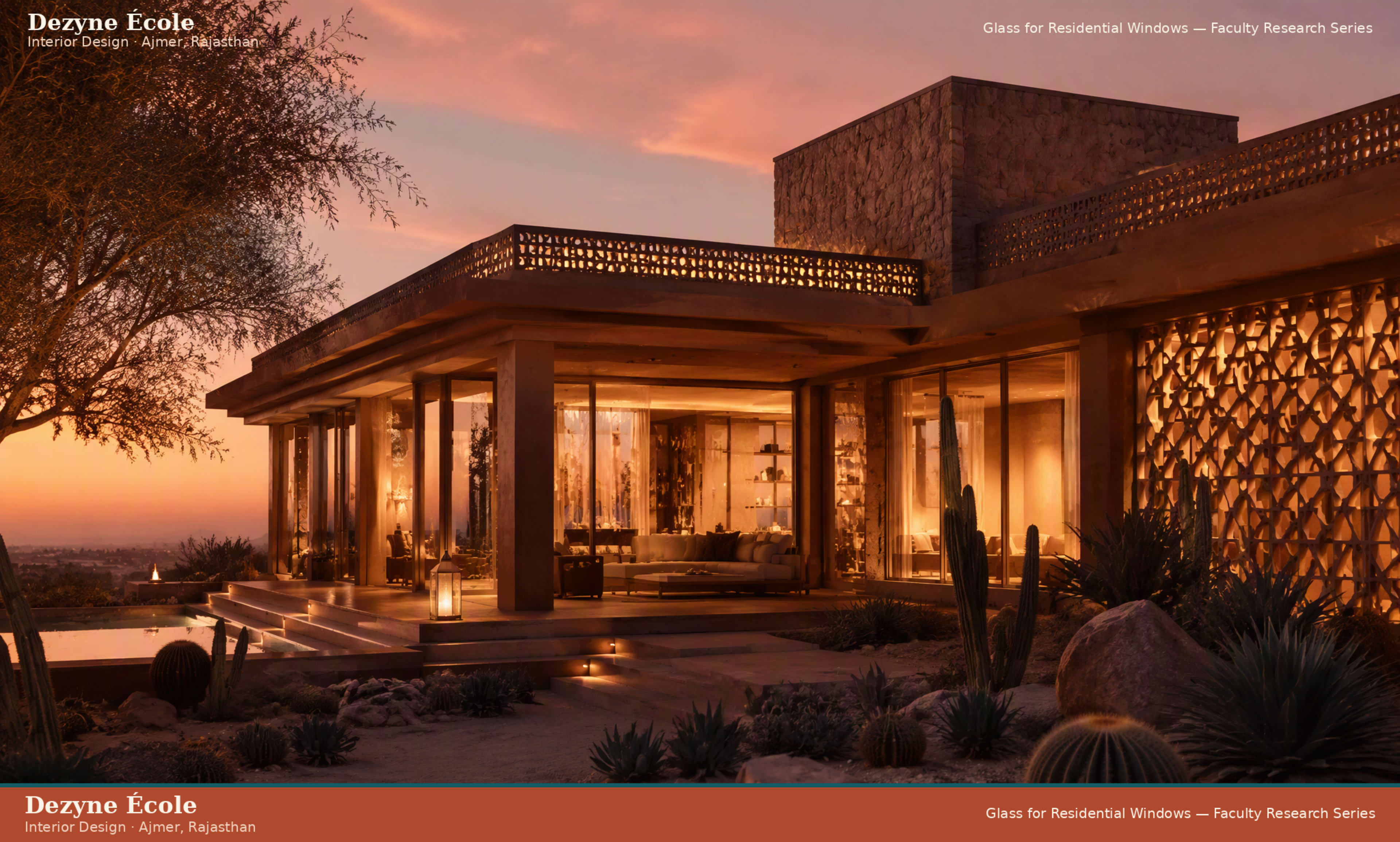
Choosing glass for a home is no longer about picking a pane — it is about engineering comfort, safety, silence, and energy performance into the building envelope. This article distils the technical literature of the world's leading glass manufacturers (AIS, Saint-Gobain, Guardian, Pilkington/NSG, Vitro, Cardinal) and India's Energy Conservation Building Code into one practical reference. It decodes the five performance numbers that matter (VLT, U-factor, SHGC, emissivity, acoustic ratings), explains every major glass type from tempered to switchable smart glass, and gives ready-to-specify guidance for two extremes: the 45–50°C heat of Rajasthan and cold, snowy climates. Whether you are an architect detailing a facade, an interior designer resolving privacy and light, or a homeowner building near a noisy road — this is your ready reckoner.
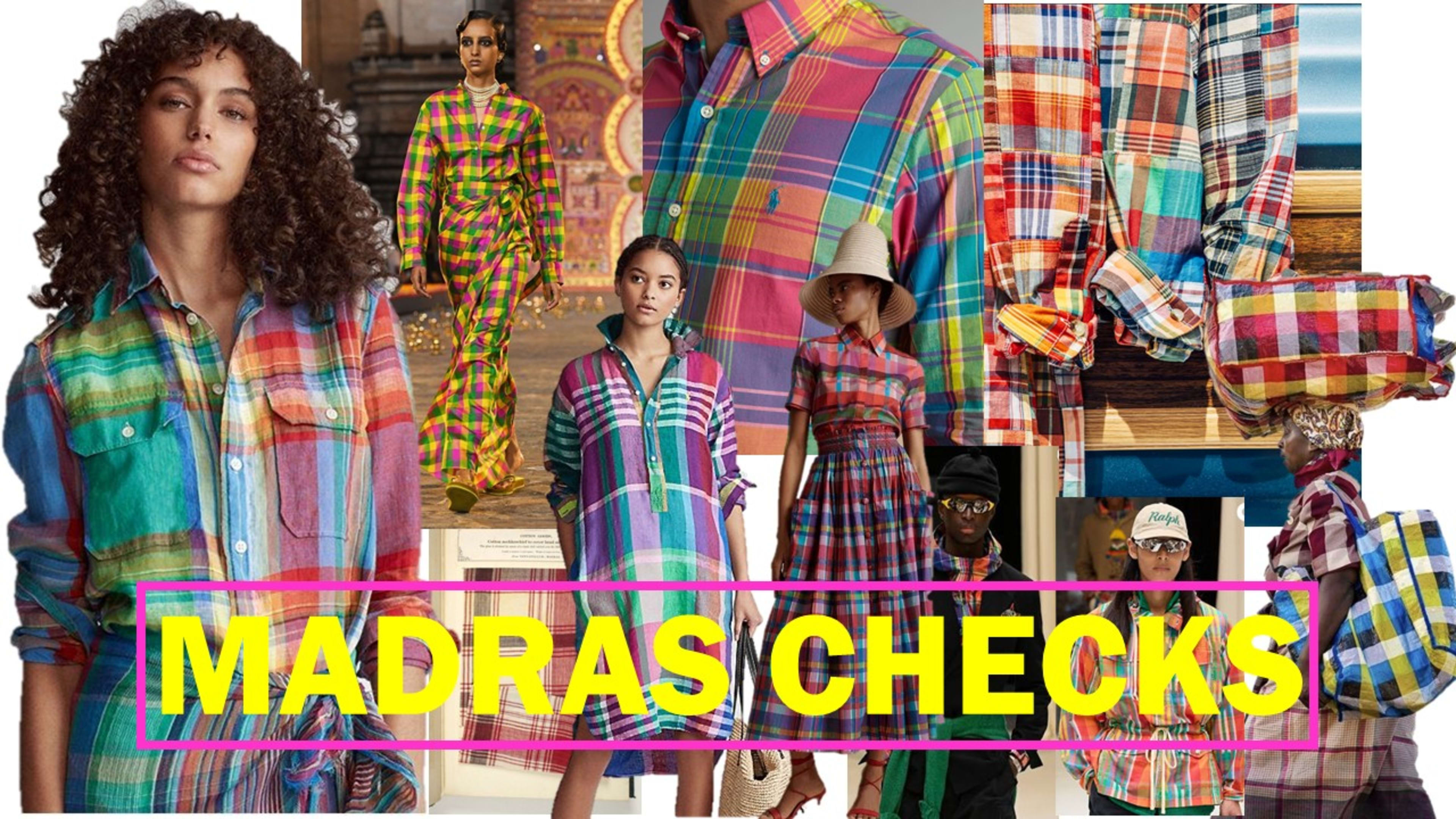
GUARANTEED TO BLEED:  The Madras Check Story  By Dr. Vinita Mathur — Founder President & Principal, Dezyne École College (est. 2008), Ajmer

GUARANTEED TO BLEED: The Madras Check Story By Dr. Vinita Mathur — Founder President & Principal, Dezyne École College (est. 2008), Ajmer

In 1958, in a suburban home somewhere in America, a housewife opened her washing machine and screamed. Her new shirt — a birthday splurge from a fancy New York store — had bled. Not faded. Not discolored. Bled. Its brilliant checks had dissolved and run, staining everything else in the load — the whites, the linens, her husband's shirts — in watercolor streaks of indigo and turmeric red. She called the store. The store called its lawyers. Here is what nobody in that laundry room knew. That shirt was not born in a New York design studio. It was born on a handloom in a humid weaving shed in Chennai — a city the world then called Madras. The Americans had imported it as a curiosity. They did not know they had imported eight centuries of history. And they certainly did not know that the very flaw flooding that washing machine — the bleeding, the fading — was not a defect at all. It was the point.

BCA with Artificial Intelligence After 12th: The 2025 Career Guide Every Student in Ajmer Should Read Before Choosing a College

BCA with Artificial Intelligence After 12th: The 2025 Career Guide Every Student in Ajmer Should Read Before Choosing a College

Every year thousands of students finish Class 12 and ask the same question: “Should I do B.Tech or is there another pathway into the technology industry?” What many students don’t realize is that the technology sector is no longer limited to traditional engineering degrees. Today, skills in programming, data analysis, and Artificial Intelligence are opening new pathways for young professionals. This is exactly why programs like BCA with Artificial Intelligence are gaining attention among students who want to enter the tech industry without the pressure of engineering entrance exams.One of our recent BCA graduates was selected as an AI Engineer, while another alumnus has achieved a global package of ₹3.3 crore in the technology sector. The message for students is simple: The future of technology belongs to those who build real skills.

Fashion Design Career After 12th in Rajasthan — Scope, Salary & How to Start

Fashion Design Career After 12th in Rajasthan — Scope, Salary & How to Start

Can you really build a career in Fashion Design after 12th in Rajasthan? The answer — backed by placement data, salary numbers, and 18 years of student outcomes at Dezyne École College, Ajmer — is a confident yes. Science, Commerce, Arts: all streams welcome. No entrance exam. Recruiters include Pero ,Aditya Birla Group, Reliance Trends, Zara , Tarun Tahiliani. Scope, salary & real placement data from Dezyne École College, Ajmer. AICTE approved. All streams. No entrance exam. Read the full guide before you decide.

Design Is Not Guesswork —  Fashion Research & Forecasting

Design Is Not Guesswork — Fashion Research & Forecasting

Most fashion students begin with sketches. Professionals begin with questions. This article opens the backstage of real design practice — where garments emerge from observation, documentation, behavioural study and global forecasting intelligence rather than personal taste. It guides readers through how designers collect primary and secondary research, interpret social signals, validate ideas through forecasting agencies and AI platforms, and translate insight into relevant, sellable fashion. Written as a practical ready-reference for learners and educators, it invites readers to rethink design as a process of understanding people before shaping product — the difference between creating clothes and creating relevance.